TABE Examiner Instructions for Remote Testing: A Comprehensive Guide (Updated 04/07/2026)
Updated April 7th, 2026, these instructions detail remote TABE 11 & 12 and CLAS-E testing procedures for examiners, ensuring secure and valid assessments.
Welcome to the comprehensive guide for administering the Test of Adult Basic Education (TABE) remotely. This document outlines the procedures for examiners conducting TABE 11 & 12 and TABE CLAS-E assessments in a virtual environment. Remote testing offers increased accessibility and flexibility for students, while maintaining the integrity and validity of the examination process.
These instructions are designed to equip examiners with the knowledge and skills necessary to effectively proctor remote TABE tests. They cover everything from system requirements and technical checks to student verification, test monitoring, and handling potential irregularities. Adherence to these guidelines is crucial for ensuring a standardized and secure testing experience for all participants. Successful remote proctoring relies on careful preparation and diligent observation.
II. System Requirements & Technical Checks
Prior to administering a remote TABE test, thorough system checks are essential. Both the examiner and the student must meet specific hardware and software requirements to ensure a smooth testing experience. This includes a reliable computer with a functioning webcam, microphone, and stable internet connection. Compatibility with the designated proctoring software is paramount.
Examiners should verify their system meets the minimum specifications outlined in the accompanying documentation. Students will also need to confirm their setup prior to the scheduled test date. Conducting a pre-test technical check with the student is highly recommended to identify and resolve any potential issues proactively, minimizing disruptions during the actual assessment.
III.A. Examiner’s Hardware & Software
The examiner’s workstation requires a dedicated computer meeting specific criteria. A minimum processor speed of 2.0 GHz, 8GB of RAM, and a stable broadband internet connection are necessary. The operating system must be Windows 10 or later, or macOS 10;15 or later. A functional webcam and microphone are crucial for monitoring and communication.
Required software includes the designated proctoring application, a current web browser (Chrome or Firefox recommended), and reliable video conferencing capabilities. Ensure all software is updated to the latest version. A secondary monitor can enhance monitoring efficiency. Thoroughly test all components before each testing session to guarantee optimal performance and prevent technical difficulties.
III.B. Student’s Hardware & Software
Students must utilize a computer or Chromebook with a functioning webcam and microphone. The device should have a minimum processor speed of 1.5 GHz and 4GB of RAM. Supported operating systems include Windows 10 or later, macOS 10.13 or later, and Chrome OS. A stable internet connection is paramount for uninterrupted testing.
Students are generally prohibited from using tablets or smartphones. The proctoring software must be compatible with the student’s device. Examiners should verify compatibility before the test date. Students need a current web browser (Chrome or Firefox preferred). Any unauthorized software or peripherals must be disabled during the assessment to maintain test security and integrity.
III.C. Internet Connectivity Requirements
A stable, high-speed internet connection is crucial for successful remote TABE testing. Students require a minimum download speed of 5 Mbps and an upload speed of 2 Mbps. Wireless connections (Wi-Fi) are permitted, but a wired Ethernet connection is strongly recommended for increased reliability.
Examiners must instruct students to close any bandwidth-intensive applications during the test; Intermittent connectivity can disrupt the testing session and potentially invalidate results. Prior to starting, conduct a speed test with the student to verify adequate bandwidth. Document any connectivity issues encountered and their resolution. Consistent interruptions necessitate rescheduling the exam.
IV. Proctoring Software Overview
The designated proctoring software is essential for maintaining test integrity during remote TABE administration. This software provides features like screen recording, webcam monitoring, and browser lockdown to prevent unauthorized access to materials. It also flags suspicious activities for examiner review.
Examiners must familiarize themselves with all software functionalities before the testing session. Understanding the software’s capabilities ensures effective monitoring and swift intervention if needed. Regular updates are automatically applied; however, confirm the latest version is installed before each test. Proper software operation is paramount for a secure and valid testing environment.
V.A. Features of the Proctoring Software
The proctoring software boasts a robust suite of features designed to uphold test security. Key functionalities include real-time webcam proctoring, allowing visual monitoring of the student’s testing environment and behavior. Browser lockdown prevents access to external websites or applications during the exam.
Automated flags alert examiners to potential violations, such as off-screen activity or unauthorized applications. Screen recording captures the entire testing session for post-test review. Furthermore, the software offers remote control capabilities for assistance with technical issues. These features collectively ensure a standardized and secure remote testing experience for all students.
V.B. Software Installation & Login Procedures (Examiner)
To begin, download the proctoring software from the designated TABE support portal using your authorized examiner credentials. Run the installer and follow the on-screen prompts, ensuring compatibility with your system’s operating system. Upon successful installation, launch the application.
Enter your unique examiner ID and password – provided separately by TABE – to log in. A two-factor authentication process may be required for enhanced security. Verify your system meets the minimum technical specifications. Familiarize yourself with the software interface before administering any tests. Contact TABE support immediately if you encounter any installation or login difficulties.
VI. Pre-Test Procedures & Student Verification
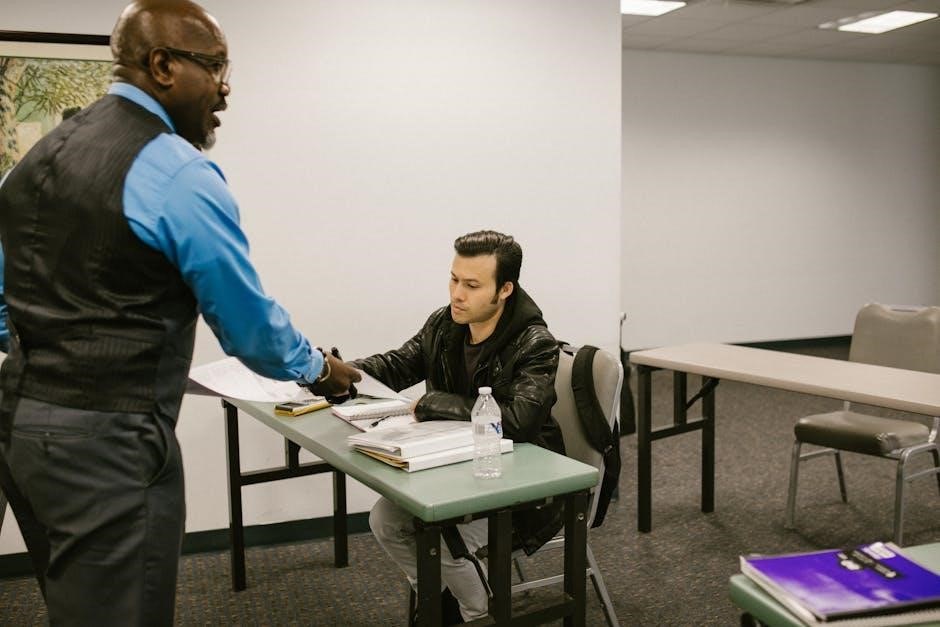
Prior to test commencement, meticulously verify student identity and the testing environment. Initiate a live video connection with the student to confirm their presence and ensure they are alone in a quiet, distraction-free room. Request a valid, government-issued photo ID for visual confirmation, adhering to TABE’s specified ID acceptance guidelines.

Conduct a comprehensive environment scan, directing the student to showcase all angles of the room using their webcam. Confirm no prohibited materials are visible. Review and acknowledge the test’s security agreement with the student. Document all verification steps for audit purposes, maintaining test integrity.
VII.A. Student ID Verification Protocols
Strict adherence to ID verification is crucial for maintaining test validity. Acceptable forms include unexpired, government-issued photo IDs – driver’s licenses, passports, or state-issued identification cards. The ID must clearly display the student’s name and photograph.
During the live video session, request the student to hold the ID visibly near their face, allowing for a direct comparison. Verify the name on the ID matches the registration information. If discrepancies arise, immediately halt the testing process and consult with TABE support. Document all ID verification details, including the ID type and any observed issues.
VII.B. Environment Scan Requirements
Prior to testing, a comprehensive environment scan is mandatory. Students must present a 360-degree view of their testing environment via webcam, ensuring no prohibited materials are visible. This includes textbooks, notes, electronic devices (phones, tablets), and unauthorized personnel.
The testing area should be free from distractions and well-lit. Walls must be bare, and any posters or visual aids are prohibited. Examiners should carefully review the scan, looking for potential violations. If concerns arise, request a re-scan or further clarification. Document the scan’s completion and any observed issues within the testing platform.

VII.C. Ensuring Test Security – Room Scan & Monitoring
Maintaining test security is paramount during remote administration. Following the initial environment scan, continuous monitoring is crucial. Utilize the proctoring software’s features to observe student behavior throughout the session. Pay close attention to eye movements, head turns, and any attempts to access unauthorized materials.
Random, brief “check-in” requests via the platform can deter misconduct. Examiners should be vigilant for signs of collaboration or external assistance. Any suspicious activity must be immediately investigated and documented according to established reporting procedures. A secure testing environment builds confidence in test validity.

VIII. Starting the Remote Testing Session
Initiating a remote TABE session requires careful adherence to protocol. After verifying student identity and the testing environment, navigate to the designated testing platform. Ensure the correct test level and sections are selected for each student. Clearly communicate the test start time and any final instructions to the student via the platform’s communication tools.
Provide assistance with login procedures if needed, but avoid directly entering student credentials. Monitor the initial login process to confirm successful access. Document any login difficulties encountered and their resolution. A smooth session start minimizes anxiety and promotes a fair testing experience.
IX.A. Initiating the Test within the Platform
To begin, log into the TABE platform using your examiner credentials. Locate the student’s profile and select the appropriate test session. Confirm all pre-test checks are completed and documented within the system. Initiate the test by clicking the designated “Start Test” button. The platform will automatically launch the proctoring software on the student’s device.
Observe the initial screen share to verify the software is functioning correctly. Ensure the test timer has begun and the student can view the first question. Document the exact start time of the test within the platform’s record. A successful launch is crucial for a valid testing session.
IX.B. Student Login Assistance & Troubleshooting
Assist students with logging into the proctoring software, guiding them through username and password entry. If a student encounters login issues, verify their credentials and check for any platform outages. Common problems include incorrect capitalization or forgotten passwords; direct them to the password reset function.
For technical difficulties, instruct students to refresh the page or restart the software. If problems persist, remotely view their screen (with permission) to diagnose the issue. Document all troubleshooting steps taken and the resolution. If unable to resolve, contact TABE support immediately, providing detailed information about the error.
X. During the Testing Session: Monitoring & Intervention
Maintain vigilant oversight of students throughout the test, utilizing the proctoring software’s features to observe their behavior. Look for any deviations from expected conduct, such as accessing unauthorized materials or communicating with others. Be prepared to intervene if suspicious activity is detected, following established protocols.
Address technical issues promptly and efficiently, offering assistance without compromising test integrity. Document all interventions and any observed irregularities. Prioritize maintaining a secure testing environment and ensuring fair assessment conditions for all students. Communication should be limited to technical support only.
XI.A. Observing Student Behavior for Suspicious Activity
Proctors must actively monitor students for any behavior indicating potential cheating. This includes, but isn’t limited to, looking away from the screen for extended periods, visible use of secondary devices, and unusual head movements. Pay close attention to any attempts to access external websites or applications not permitted during the exam.
Be alert for signs of communication with others, either verbally or through messaging apps. Any deviation from expected test-taking behavior warrants further investigation. Document all observed suspicious activities with specific details, including timestamps, for reporting purposes.
XI.B. Addressing Technical Issues During the Test
Examiners should anticipate and be prepared to address common technical difficulties. These may include audio/video disruptions, proctoring software glitches, or internet connectivity problems experienced by the student. Prioritize quick, calm troubleshooting assistance.
First, verify the student’s system meets minimum requirements. Guide them through basic fixes like restarting the software or checking internet connections. If issues persist, document the problem thoroughly and contact TABE support immediately. Minimize test disruption; consider a brief pause if necessary, adhering to established testing protocols.
XI.C. Maintaining Test Integrity – Communication Protocols
Strict adherence to communication protocols is vital for test integrity. Examiners should utilize the proctoring software’s built-in messaging system for all communication with students during the test. Avoid external communication channels like phone calls or email.
All instructions must be clear, concise, and non-leading. Refrain from providing any assistance with test content or offering clues. Document all communication within the proctoring platform. If a student attempts to discuss test questions, immediately report the incident following established irregularity procedures. Maintaining a neutral and professional demeanor is crucial throughout the session.
XII. Handling Test Irregularities & Security Breaches
Prompt and decisive action is required when handling test irregularities or potential security breaches. Examiners must immediately pause the test if suspicious activity is detected, such as unauthorized materials or communication. Do not confront the student directly; instead, utilize the proctoring software’s flagging system.
Detailed documentation of the incident, including screenshots and timestamps, is essential. Follow established reporting procedures to notify TABE support and relevant authorities. Maintaining the confidentiality of the investigation is paramount. Any breach, suspected or confirmed, must be treated with the utmost seriousness to uphold test validity.
XIII.A. Reporting Procedures for Suspected Cheating
Upon observing potential cheating, immediately pause the student’s test session. Do not directly accuse the student. Utilize the proctoring software to flag the incident with specific details – timestamp, observed behavior, and any supporting evidence like screenshots or video clips.
Submit a formal incident report through the designated TABE support portal within 24 hours. Include the student’s ID, test session details, and a comprehensive narrative of the suspected violation. Follow up with TABE support to confirm receipt and inquire about further instructions. Maintain confidentiality throughout the reporting process.
XIII.B. Documentation of Irregularities
Meticulous documentation is crucial for all test irregularities. Maintain a detailed log, recording the date, time, student ID, and a precise description of the event. Include screenshots from the proctoring software showcasing any suspicious activity, such as unauthorized materials or browser deviations.
Save all relevant data – session recordings, flagged incidents, and communication logs with TABE support – in a secure, designated folder. This documentation serves as vital evidence for investigations and ensures accountability. Adhere to TABE’s data privacy guidelines when handling student information.
XIV. Test Completion & Submission Procedures
Upon test completion, verify the student has successfully submitted all sections within the platform. Confirm a “Completed” status for each assessment area. Examiners should not manually end the test prematurely unless a documented irregularity necessitates it.
Instruct students to remain logged out until prompted. Download test results promptly through your examiner portal, ensuring data integrity. Retain a local backup of all downloaded reports. Any discrepancies between the platform status and student reports must be immediately reported to TABE support for investigation and resolution.
XV.A. Ensuring Complete Test Submission
Prior to dismissing a student, meticulously verify that all test sections have been fully submitted within the remote testing platform. A completed test will display a clear “Submitted” or “Completed” status for each individual assessment area.
Remind students not to navigate away from the testing environment until confirmation is received. Examiners should visually confirm submission on their monitoring screen. If a section remains incomplete, guide the student through the resubmission process. Document any submission issues encountered, including screenshots, for potential support requests.
XV.B. Downloading Test Results (Examiner Access)

Upon confirmed test submission, examiners can download comprehensive results directly from the TABE platform. Access requires your unique examiner credentials and appropriate permissions. Locate the “Reports” or “Results” section within the platform’s interface.
Downloaded reports typically include detailed scores for each test area, time spent per section, and flags for any potential irregularities detected during proctoring. Save these reports securely, adhering to data privacy guidelines. Familiarize yourself with the report format to efficiently interpret student performance and identify areas needing further support.
XVI. Troubleshooting Common Issues
Remote testing can present unforeseen technical challenges. This section addresses frequent problems and provides practical solutions. Common issues include audio/video disruptions, proctoring software glitches, and internet connectivity interruptions.
Before the test, verify student and examiner equipment. During testing, instruct students to restart their browsers or re-establish internet connections if problems arise. For software malfunctions, consult the platform’s help documentation or contact TABE support. Document all issues and resolutions for reporting purposes. Proactive troubleshooting minimizes disruptions and ensures a fair testing experience for all students.
XVII.A. Audio/Video Problems & Solutions
Clear audio and video are crucial for effective remote proctoring. If a student experiences audio issues, ensure their microphone is properly connected and unmuted. Verify the correct audio input/output devices are selected within the proctoring software settings. For video problems, confirm the webcam is functioning and positioned correctly.
Examiners should advise students to close unnecessary applications that might interfere with audio/video transmission. Restarting the browser or computer often resolves temporary glitches. If problems persist, suggest checking internet bandwidth or contacting technical support. Document all troubleshooting steps taken and their outcomes.
XVII.B. Proctoring Software Glitches & Workarounds
Despite rigorous testing, proctoring software can occasionally experience glitches. Common issues include freezing, unexpected disconnections, or incorrect screen sharing. Instruct students to avoid clicking repeatedly if the software freezes; instead, attempt a gentle refresh.
If a disconnection occurs, the student should immediately attempt to rejoin the session. Examiners should document the interruption and any lost time. For screen-sharing problems, verify permissions and browser compatibility. If workarounds fail, utilize the platform’s support features or contact TABE support directly, documenting all steps taken for accurate reporting.
XVIII. Security Best Practices for Remote Testing
Maintaining test integrity is paramount during remote TABE administration. Examiners must diligently enforce all security protocols, including verifying student identification and conducting thorough environment scans before testing begins.
Ensure students acknowledge and agree to the testing terms and conditions. Closely monitor student behavior throughout the session, looking for any signs of suspicious activity. Securely store all testing materials and documentation. Regularly update proctoring software and familiarize yourself with the latest security features. Proactive vigilance and adherence to these best practices are crucial for valid results.
XIX. Legal Considerations & Data Privacy
Remote TABE testing necessitates strict adherence to data privacy regulations and legal guidelines. Examiners must understand and comply with all applicable laws regarding student data collection, storage, and usage.

Ensure informed consent is obtained from students (or their guardians) before any data is collected. Maintain the confidentiality of all test results and personal information. Utilize secure platforms and encryption methods to protect data from unauthorized access. Familiarize yourself with the TABE’s data privacy policy and reporting procedures. Legal compliance and responsible data handling are essential for ethical and lawful testing practices.
XX. TABE Support Resources for Examiners
Examiners have access to comprehensive support resources to facilitate smooth remote TABE administration. The official TABE website provides detailed manuals, FAQs, and video tutorials covering all aspects of the remote testing process.
Dedicated technical support is available via phone and email to address any software or platform-related issues. A knowledge base offers solutions to common problems encountered during testing. Furthermore, regular webinars and training sessions are conducted to update examiners on best practices and new features. Utilize these resources proactively to ensure accurate and secure test delivery, maximizing student success.
XXI. Frequently Asked Questions (FAQs) for Remote TABE Administration
What happens if a student’s internet connection drops during the test? The test will pause, and the student will be prompted to reconnect. Time lost due to disconnection may be recovered, based on platform settings.
How do I handle a student who exhibits suspicious behavior? Immediately document the behavior and follow the reporting procedures outlined in Section XII. Utilize the proctoring software’s features to gather evidence. Can I remotely restart a student’s computer? No, examiners do not have remote access to student computers. Where can I find updated software versions? Check the TABE support portal regularly for updates.