In Omelas‚ a quiet rebellion begins as those who leave carry the city’s secret‚ confronting the moral cost of happiness built on suffering. Their departure sparks a dialogue about conscience‚ choice‚ and the price of peace‚ challenging the ethics of communal joy. This choice echoes beyond city limits.!!!
Context of the Story

The narrative unfolds in the luminous cityofOmelas‚ a place of perpetual celebration where streets glitter with joy and festivals erupt in the night.The inhabitants live in a society that thrives on the paradox of bliss and hidden sorrow‚a secret that is known to all but rarely spoken aloud.The story centers on the decision of a small group of citizens to leave this utopia‚driven by the moral weight of a child’s suffering that sustains their happiness. Their departure is not a random act but a deliberate protest against the injustice that underpins the city’s prosperity.The context of this act is set against the backdrop of a society that values collective happiness over individual suffering‚ and the tension between the desire for a harmonious life and the ethical cost of that harmony.The act of walking away is framed as a symbolic gesture that challenges the complacency of the populace and forces the city to confront the reality of its moral foundations.The setting is a blend of mythic wonder and stark realism‚ where the beauty of the city contrasts sharply with the grim truth that fuels it‚ creating a powerful narrative that examines the limits of societal contentment and the courage required to question it
The quiet aftermath left the city’s streets echoing with a hollow silence‚ a stark reminder that their joy was constructed upon a fragile‚ unjust foundation‚ the true cost of their bliss!!
Purpose of the Article
In this exploration‚ the focus is on the symbolic significance of the few who choose to walk away from the idyllic city of Omelas‚ a narrative that serves as a mirror for contemporary ethical dilemmas. The article seeks to unpack the layers of meaning behind this act‚ interrogating how it challenges the complacency of a society that derives pleasure from a hidden injustice. By delving into the psychological motivations—fear‚ guilt‚ moral awakening—and the societal pressures that shape the decision‚ the piece illuminates the complex interplay between individual conscience and collective identity. It also examines the ripple effects of this departure on the remaining citizens‚ probing how the absence of dissent reshapes communal values and the perception of happiness. Furthermore‚ the article situates the narrative within broader philosophical discussions on utilitarianism‚ the ethics of sacrifice‚ and the moral limits of happiness. Through comparative analysis with real-world movements that confront systemic injustice‚ the article demonstrates how literature can inspire critical reflection and action. The ultimate goal is to encourage readers to assess their own complicity in unjust systems‚ to recognize the power of individual choice‚ and to consider the ethical costs of maintaining a comfortable yet morally compromised status quo.
Readers are invited to reflect on how the act of walking away can serve as a catalyst for societal change‚ prompting discussions about the responsibilities of those who benefit from systemic inequities. By weaving together literary analysis with contemporary ethical debates‚ the piece offers a nuanced perspective on the power of narrative to challenge moral deep complacency and inspire transformative action.
Background of Omelas
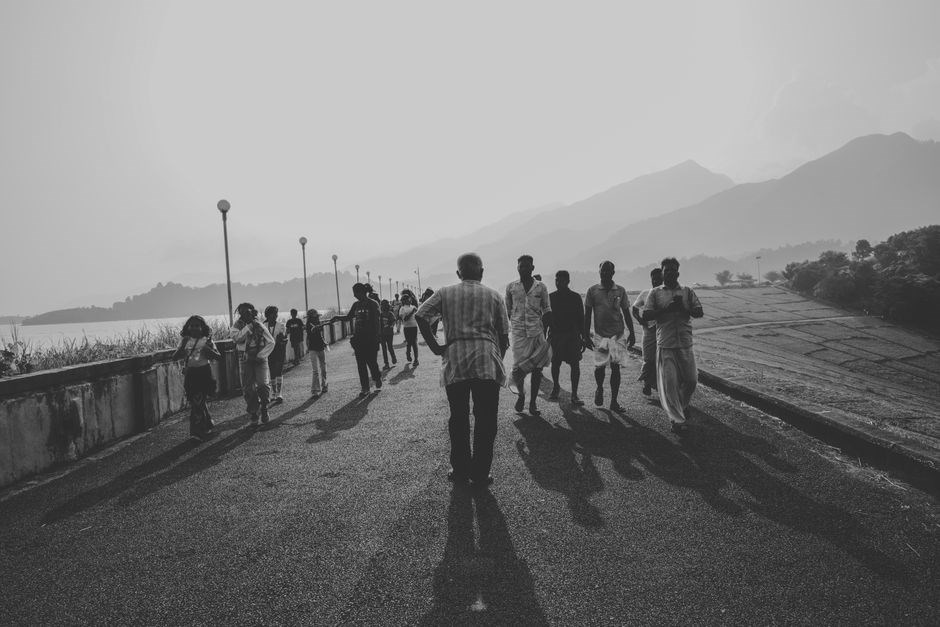
Omelas‚ a utopian city‚ thrives on a paradox: its joy hinges on a single child’s suffering. The narrative frames a society that accepts this cost‚ prompting readers to question the foundations of happiness and the moral weight of hidden injustice. The secret fuels debate now
Synopsis of the Narrative
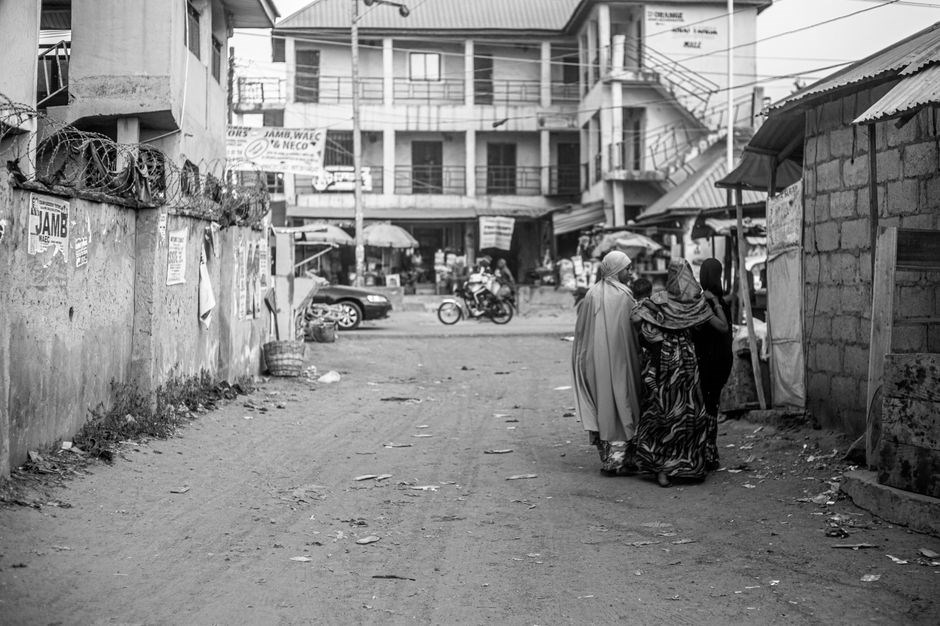
In the quiet streets of Omelas‚ a secret lies beneath the jubilant celebrations: a single child locked in perpetual misery‚ whose suffering sustains the city’s prosperity. The narrative follows the eyes of ordinary citizens who‚ after witnessing the child’s plight‚ face a profound moral dilemma. Some accept the paradox‚ believing that the collective joy outweighs individual pain. Others‚ however‚ cannot reconcile the injustice and choose to walk away‚ leaving the city’s bright façade behind. Their departure is not a mere act of escape; it is a silent protest against a social contract that trades compassion for comfort. As the story unfolds‚ the reader is drawn into a debate about the nature of happiness‚ the ethics of utilitarian sacrifice‚ and the responsibility of those who benefit from hidden suffering. The walkaway’s choice reverberates through the narrative‚ challenging the reader to examine whether true contentment can coexist with complicity in cruelty. In the final scenes‚ the city’s jubilant festivals continue‚ but the absence of those who left casts a shadow over the celebrations‚ hinting at the fragile balance between joy and moral integrity.
Those who depart carry a silent burden‚ a reminder that joy can be hollow when built upon unseen suffering. Their absence forces the city to confront the moral cost of its prosperity‚ challenging the illusion that happiness can exist without sacrifice. Their silence echoes through the streets‚ a quiet testament to the price of collective bliss.!!!…

Cultural and Historical Influences
Omelas’s narrative echoes centuries of philosophical debate‚ from Plato’s allegory of the cave to Rousseau’s social contract‚ weaving a tapestry of moral uncertainty that resonates with modern readers. The city’s paradoxical joy‚ sustained by a hidden child‚ mirrors historical instances where societies have sacrificed individual rights for collective prosperity—think of colonial labor‚ wartime conscription‚ or industrial exploitation. These echoes invite readers to question the legitimacy of utilitarian calculus when it erodes empathy. The walkaway’s act of leaving becomes a symbolic rupture‚ reminiscent of the civil disobedience of the 1960s‚ the anti‑war protests of the 1970s‚ and the contemporary climate activism that challenges unsustainable systems. By juxtaposing the city’s glittering festivals with the silent‚ solitary departure of dissenters‚ the author underscores how cultural narratives can mask injustice‚ urging a reevaluation of what it means to live ethically in a world that often rewards complicity. The story’s layered references to historical injustices and philosophical thought invite a critical reflection on the cost of progress‚ the weight of conscience and the power of individual choice to reshape collective destiny.!!! This layered narrative invites readers to interrogate the ethical fabric of their own societies‚ urging them to recognize that the price of progress is often paid by those who are invisible‚ and that true prosperity must be built on justice‚ not silence.
Key Themes and Motifs
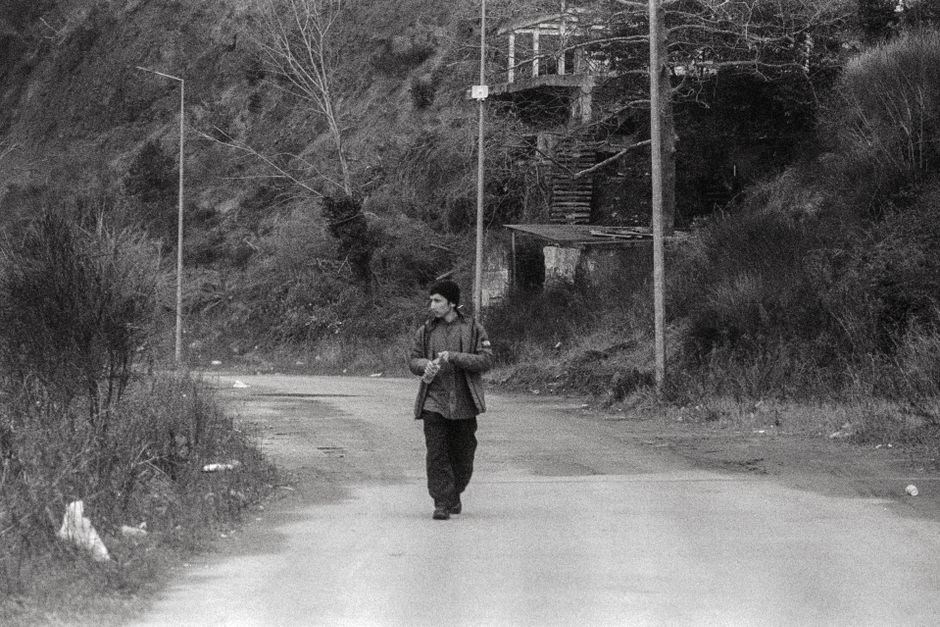
Walking away highlights the tension between communal bliss and individual conscience‚ exposing the fragility of utopia built on hidden suffering. It questions whether moral compromise can sustain happiness‚ urging readers to confront the cost of silent complicity. End now.?!

Moral Ambiguity and Complicity
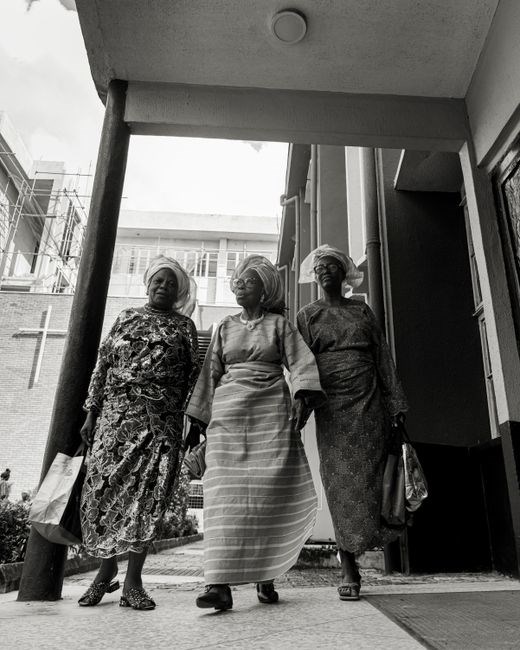
Those who walk away from Omelas confront a paradox: the city’s joy rests on a single child’s suffering. By leaving‚ they expose the moral grayness that underpins communal bliss‚ yet their departure forces inhabitants to confront the cost of their prosperity. Walking away is not a simple rejection of happiness; it is a silent protest that challenges the collective’s complicity. In a society that celebrates unbridled joy the choice to leave signals a refusal to accept hidden injustice. This tension between personal conscience and societal benefit illustrates the complexity of moral decision‑making. The narrative invites readers to examine how complicity can be both an act of survival and an ethical and and compromise the the. When citizens ignore the suffering that underlies their bliss‚ they become complicit in a system that values pleasure over pain. Those who walk away‚ however‚ carry the memory of the secret‚ reminding all true that the foundations of happiness may be built on injustice. Their journey becomes a moral inquiry into whether true happiness can exist without sacrifice‚ and whether the cost of that happiness is worth the price paid by the most vulnerable. The story forces us to ask: can we accept a society that thrives on the suffering of one‚ or must we choose to walk away‚ even if it means abandoning comfort and security? The decision to leave is a testament to conscience‚ a reminder that ambiguity is not a flaw but a necessary space for reflection and change. Their becomes a a act of remindingan all true that joy cannot exist without justice.
Utilitarian Ethics and the Greater Good
In the quiet streets of Omelas‚ the decision to walk away is a stark critique of utilitarian reasoning that prioritizes the greatest happiness for the greatest number. The city’s prosperity rests on one child’s misery‚ a bargain that many accept as a necessary sacrifice for communal bliss. Those who leave‚ however‚ challenge the notion that the end justifies the means. They argue that true utility must consider the dignity of every individual‚ not merely aggregate pleasure. By abandoning the city‚ they expose the hidden cost of a society that values statistics over suffering. Their act forces citizens to confront the ethical limits of utilitarianism: can a society be morally sound if its happiness is built on a single‚ unconsented victim? The narrative invites readers to weigh the trade‑offs between collective joy and individual rights‚ questioning whether the greater good can ever legitimize the exploitation of the vulnerable. The walkers become a living testament to the idea that utilitarian calculus must incorporate empathy and justice‚ not just numbers. Their departure underscores that a truly utilitarian society should seek solutions that do not require the sacrifice of the innocent‚ and that the moral weight of a single child’s pain cannot be discounted in the pursuit of communal happiness. Their choice invites a broader debate: can a society truly claim moral integrity while its prosperity depends on the suffering of one? By stepping away‚ they remind us that compassion must outweigh convenience‚ even when the cost is high
The Sacrifice of the Child
The child’s existence is the fulcrum upon which Omelas balances its radiant joy. Every festival‚ every song‚ every shared meal is a tribute to the invisible weight carried by a single‚ silent soul. The city’s prosperity is a fragile tapestry woven with threads of suffering‚ and the child’s pain is the loom’s secret. When the city’s citizens accept this arrangement‚ they tacitly endorse a moral contract that places one life on a pedestal of sacrifice. The child’s suffering is rationalized as a necessary price‚ a small price for the collective bliss that permeates every street and hearth. Yet the price is steep‚ for it is a price paid by a single‚ voiceless victim whose existence is reduced to a utilitarian footnote. The narrative invites readers to confront the uncomfortable truth that the city’s happiness is contingent upon a single‚ voiceless victim. The child’s plight becomes a mirror reflecting the ethical compromises societies make when they prioritize collective well‑being over individual dignity. By walking away‚ the dissenters expose the moral fissure that lies beneath the city’s glittering façade‚ forcing a reckoning with the cost of ignoring the suffering that sustains the greater good. This unsettling premise forces readers to question whether the moral calculus that favors the many can ever justify the subjugation of one. The child’s silent endurance becomes a stark reminder that the price of happiness may be paid in human dignity‚ Their departure underscores a ignoring suffering.
Those who depart Omelas illuminate the ethical cost of collective bliss‚ urging us to scrutinize the hidden sacrifices sustaining our comforts. Their silence speaks louder than any protest‚ reminding us that true peace demands confronting uncomfortable truths. Their choice echoes beyond.
Implications for Contemporary Ethics

In contemporary discourse‚ walking away from Omelas invites reexamination of utilitarian frameworks that prioritize aggregate well‑being over individual rights. It challenges the assumption that society’s prosperity can be justified by the suffering of an invisible individual. Modern bioethics wrestles with similar dilemmas when allocating scarce medical resources; the decision to divert treatment to the most likely survivor mirrors the moral calculus in the narrative. Environmental policy debates weigh industrial progress against displacement of vulnerable communities‚ echoing the tension between communal joy and hidden injustice. The silent exodus of the disillusioned citizens underscores a need for transparency and accountability in governance. When leaders prioritize short‑term gains at the expense of marginalized groups‚ they risk eroding public trust‚ just as the city’s prosperity is built on a child’s misery. Contemporary ethics demands that we interrogate the structures that allow such compromises‚ advocating for inclusive decision‑making that elevates the voices of the oppressed. This narrative also informs corporate responsibility‚ urging companies to scrutinize supply chains for hidden exploitation. By foregrounding the moral cost of convenience‚ the story compels modern societies to adopt a more holistic view of progress—one that balances efficiency with empathy‚ and profit with principle. Ultimately‚ the walk away becomes a call to action: to recognize that the pursuit of collective happiness must not eclipse the dignity of the individual‚ and that ethical progress hinges on the courage to confront uncomfortable truths and reform systems that perpetuate inequality. Reflection urge empathy‑driven change.