Device Overview and Charging Features
The Lost Mary MT15000 Turbo has a 900 mAh battery and a USB‑C port for fast charging․ Connect the supplied USB‑C cable to a 5 V/2 A charger․ The LED turns amber during charge and green when full․ Unplug after green to avoid over‑charge․
Keep the device cool dry when not charging to preserve battery!
Lost Mary MT15000 Turbo Specifications
Model: Lost Mary MT15000 Turbo․ Battery: 900 mAh lithium-ion‚ rated 3․7 V․ Capacity supports 150 mg nicotine strength e-liquid cartridges․ Dimensions: 112 mm × 30 mm × 12 mm․ Weight: 45 g (without cartridge)․ USB-C charging port‚ supports 5 V/2 A fast charge․ LED status: amber during charging‚ green when full; Coil: 0․4 Ω ceramic‚ 1․5 W power․ Vapor output: 0․8 – 1․2 L/min․ Airflow: adjustable‚ 3-way valve․ Warranty: 12 months from purchase․ Compatibility: works with 3․5 mm and 4․5 mm e-liquid pods․ Safety: includes over-current protection‚ short-circuit guard‚ temperature control․ Design: ergonomic grip‚ matte finish‚ non-slip surface․ Battery life: up to 200 puffs per charge․ Charging cable: USB-C to USB-A‚ 1 m length․ Charger: 5 V/2 A USB charger recommended․ Operating temperature: 0 °C – 40 °C․ Storage: keep in cool dry place‚ avoid direct sunlight․ Firmware: firmware updates available via Lost Mary app for performance tweaks․ Warranty: 12 months‚ contact support for service․ Device has 3․5 mm audio jack for music․xx Additional details: The device supports a maximum temperature of 250 °C to prevent overheating․ The rechargeable battery is protected by a built‑in BMS that monitors voltage‚ current‚ and temperature to ensure safe operation․ The unit is IP65 rated‚ making it dust‑proof and splash‑proof for outdoor use․ Users can reset the device by holding the power button for 5 seconds‚ which clears the puff counter and restores factory settings․
Built‑In 900mAh Battery and USB‑C Port
The Lost Mary MT15000 Turbo houses a 900 mAh lithium‑ion cell that delivers consistent power across a full vaping session․ The cell is integrated into the device’s chassis and protected by a built‑in BMS that monitors voltage‚ current‚ and temperature to prevent over‑discharge or overheating․ Charging is performed through a USB‑C receptacle located on the rear panel․ The port supports the USB‑C standard’s reversible design‚ allowing the cable to be plugged in either way without damage․ A dedicated 5 V/2 A charger is recommended to achieve the fastest safe charge time‚ typically under 45 minutes for a full cycle․ The LED indicator above the port changes color to inform the user: amber while charging‚ green when the battery reaches 100 %․ The USB‑C port also doubles as a data interface for firmware updates via the Lost Mary companion app․ The port’s metal contacts are coated with gold to reduce corrosion and maintain conductivity over thousands of cycles․ Users should avoid using low‑quality or non‑USB‑C cables‚ as these can cause charging errors or damage the port․ The battery’s nominal voltage is 3․7 V‚ and the device’s power management circuitry automatically throttles output to match the cartridge’s resistance‚ ensuring safe operation even with high‑wattage pods․ The internal BMS also implements short‑circuit protection and a temperature cutoff at 60 °C․ When the device is fully charged‚ the LED stays green for a brief period before dimming to indicate readiness for use․ The USB‑C port’s design includes a recessed socket to prevent dust ingress‚ contributing to the device’s IP65 rating․ For optimal longevity‚ users should store the device with the battery partially charged and avoid exposing it to extreme temperatures or direct sunlight․ The combination of a robust 900 mAh cell and a high‑quality USB‑C port makes the MT15000 Turbo a reliable choice for frequent vapers who need quick‚ hassle‑free charging․
Preparing for Charging
Before connecting the Lost Mary MT15000 Turbo‚ ensure the USB‑C port is clean and free of debris․ Use the supplied USB‑C cable and a 5 V/2 A charger․ Verify the charger’s output with a multimeter‚ then plug the device in․ The LED will flash amber during charge․ Now
Ensuring Proper Connection to USB‑C Charger
Before plugging the Lost Mary MT15000 Turbo into a charger‚ double‑check that the USB‑C connector is aligned correctly․ The port is keyed‚ so the cable will only fit one way․ Insert the cable gently until you feel a slight click‚ indicating a secure fit․ Avoid forcing the plug; a misaligned connection can damage the port or cause a poor charge․ Once the cable is seated‚ confirm the charger’s output․ The device requires a 5 V/2 A supply for optimal charging speed․ If you use a lower‑current charger‚ the LED will stay amber for a longer period‚ and the battery may not reach full capacity․ Conversely‚ a charger with excessive current can overheat the battery․ Keep the device on a flat surface during charging‚ and do not cover it with a blanket or pillow․ The LED will turn green when the battery is fully charged‚ at which point you should unplug the charger to prevent over‑charging․ If the LED does not change color‚ check the cable for frays or kinks‚ and try a different USB‑C cable if available․ The Lost Mary MT15000 Turbo also has a built‑in 900 mAh battery; proper connection ensures the battery receives the correct voltage and current‚ prolonging its lifespan․ Always use the original charger or a certified replacement to maintain safety and performance․ Additionally‚ inspect the USB‑C port for dust or lint․ A clean port guarantees a solid electrical contact․ If you notice any debris‚ use a soft brush or compressed air to clear it․ The device’s charging indicator is a small LED near the port; it illuminates amber during charging and turns green upon completion․ This visual cue helps you monitor progress without unplugging the device․ If the LED remains amber indefinitely‚ the cable may be faulty or the charger’s voltage may be unstable․ In such cases‚ switch to a different power source․ Remember that the MT15000 Turbo’s battery is rechargeable; repeated improper charging can degrade its capacity over time․ Therefore‚ always ensure a proper connection before powering up․ Finally‚ keep the charger’s cable away from extreme temperatures‚ as heat can affect charging efficiency and battery health․ By following these steps‚ you guarantee a safe‚ efficient charge cycle for your Lost Mary MT15000 Turbo․
Using the Correct Charging Cable and Adapter
The Lost Mary MT15000 Turbo uses a USB‑C port that accepts a 5 V/2 A charger․ The supplied USB‑C cable matches the port’s specifications; using a cable with a lower current rating will keep the LED amber and slow the charge․ A 2 A cable ensures the 900 mAh battery charges efficiently‚ while a higher‑current cable can overheat the port․ Inspect the cable for frays or bent pins; damage causes intermittent contact and a flashing amber light․ The adapter must output 5 V at 2 A; many phone chargers meet this‚ but older or lower‑quality ones may only provide 1 A‚ prolonging charging time․ The adapter’s USB‑C connector should be firmly seated; a loose connection results in a weak charge․ Keep cable and adapter away from moisture and heat to avoid insulation degradation․ Align the cable’s notch with the port’s keying to prevent misalignment․ The LED turns amber when charging starts and green when the battery reaches full capacity․ If the LED does not change‚ try a different cable or adapter‚ or test the adapter on another USB‑C device to confirm it works․ Strictly following these cable and adapter guidelines protects the battery health and ensures a safe‚ reliable charging experience․ Additionally‚ verify that the charger’s voltage regulator is functioning; can cause voltage drops that stall charging․ If you notice the LED flickering‚ it may indicate a loose connection․ such cases‚ gently press the port to re‑establish contact․ Always use a charger that complies with USB‑C standards to maintain safety and performance․ This ensures consistent power delivery and prolongs battery life․
Charging Procedure
Plug the USB‑C cable into the charger‚ then insert it into the MT15000’s port․ The LED will glow amber while charging․ Once it turns green‚ the battery is full—unplug the charger to avoid over‑charge․ Keep the device cool during the process․ Use a 5V/2A charger for optimal speed․ It ensures charge!!
Step-by-Step Charging Instructions
Before connecting the charger‚ make sure the device is turned off or in standby mode․ This prevents any accidental power draw while the battery is replenishing․
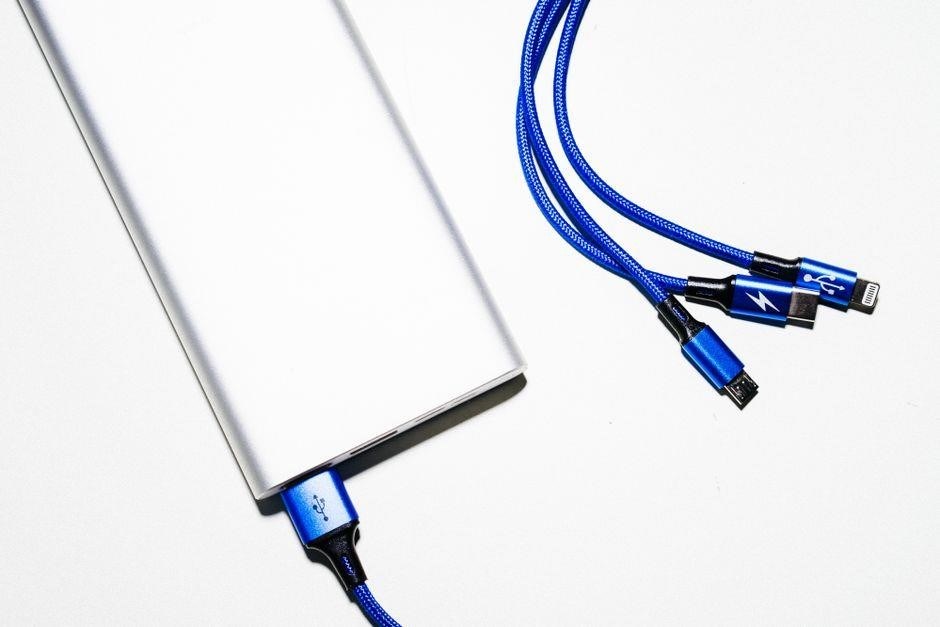
Take the USB‑C cable that came with the MT15000 Turbo and locate the charging port on the bottom of the unit․ Align the connector carefully to avoid bending the pins․
Insert the cable into the charger’s USB‑C end and plug the other end into a wall outlet or a USB power source that supplies 5 V․ The device will begin drawing power automatically once the connection is secure;
While charging‚ keep the device on a flat‚ non‑metallic surface․ Avoid placing it near heat sources or in direct sunlight‚ as excessive temperature can affect battery performance․
When the battery reaches full capacity‚ the charging process will stop automatically․ At this point‚ simply disconnect the cable from the charger and the device․
Store the charger and cable in a dry place when not in use․ This helps maintain the longevity of both the charging equipment and the MT15000’s internal circuitry․
By following these steps‚ you can ensure a smooth and efficient charging cycle for your Lost Mary MT15000 Turbo‚ keeping it ready for your next vaping session․
Remember that the MT15000’s internal battery management system monitors voltage and temperature‚ so it will pause charging if it detects unsafe conditions․ This built‑in protection keeps the device safe during fast charging sessions․
Monitoring Charge Progress and Indicators
When the Lost Mary MT15000 Turbo is connected to a charger‚ the LED light on the device’s front panel provides real‑time feedback․ A steady amber glow indicates that the battery is actively drawing power and the charging cycle has begun․ Once the internal charge controller reaches the 4․2 V threshold‚ the LED will shift to a steady green‚ signalling that the battery is fully charged and the charger has automatically stopped drawing current․
During the charging process you can also check the device’s status by briefly tapping the power button․ A quick press will flash the LED a second time‚ confirming that the unit is still connected to a power source and that the charging sequence is proceeding normally․ If the LED flickers amber or turns off entirely‚ it may suggest a loose connection or a fault in the charging cable․
For users who prefer a more granular view‚ the MT15000’s firmware logs charging events to the cloud․ By logging into the official Lost Mary app and navigating to the “Battery” tab‚ you can see a historical graph of voltage‚ current‚ and temperature readings for each charge cycle․ This data is invaluable for troubleshooting and ensuring battery safety․
It is important to note that the device’s charging indicator will not change color if the charger is delivering a lower voltage than specified (e․g․‚ a 5 V/1 A charger)․ In such cases‚ the LED will remain amber for a longer period‚ and the device may take several hours to reach full charge․ Always use a charger that meets the manufacturer’s 5 V/2 A recommendation to achieve optimal charging speed and safety․ Remember to unplug the charger once the green light appears to preserve battery health․ If amber lighting persists over hour‚ inspect the cable or use a certified charger․ When the green LED lights up‚ the device disengages charger‚ preventing over discharge and prolonging battery life․ If irregularities occur‚ consult support or replace the cable․ The LED will blink twice if the battery is damaged or the charger is incompatible․ Keep the charger and cable dustfree to ensure reliable contact․

Troubleshooting Common Charging Issues
If the MT15000 shows no charge‚ first verify the USB‑C cable and charger meet 5 V/2 A specs․ Ensure the port is clean; debris can block contact․ Try a different cable‚ then reset by unplugging for 30 s․ Persistent failure may indicate a dead battery․ If the problem remains‚ seek Lost Mary help online Now․
Device Not Charging Despite Power Light
When the Lost Mary MT15000 Turbo’s power LED stays on but the battery icon never lights‚ the problem usually lies in the charging interface rather than the battery․ First‚ verify that the USB‑C cable is the original or a certified replacement that delivers 5 V at 2 A; a faulty cable can let the LED illuminate while the current never reaches the battery․ Next‚ inspect the USB‑C port for lint‚ dust‚ or corrosion—clean it with a dry cotton swab if needed․ If the port is clean‚ try a different wall charger or a USB‑C power bank; some chargers provide a lower voltage that the device will not accept‚ keeping the LED on but refusing to charge․ A partially seated connector is another common culprit—ensure the cable’s plug is fully inserted and that the device’s charging latch is engaged; gently rocking the plug while it is inserted can help the latch click into place․ If after these steps the device still shows the power light but no charge‚ the internal charging circuit may be damaged; contact Lost Mary support or a qualified repair technician․ Remember that the MT15000’s battery is designed for repeated use; if it has been discharged for many cycles‚ the battery may have reached end‑of‑life‚ causing the charger to power the LED but not replenish the battery․ A battery replacement will restore full functionality․ Keep the device in a cool environment during charging to prevent thermal throttling‚ which can also manifest as a non‑charging indicator despite the LED being on․ If the charger’s LED remains steady‚ the problem is likely on the device side; if the charger’s LED flickers‚ the charger may be faulty․ Testing with a known good charger is the quickest diagnostic step․ Finally‚ ensure the device firmware is up to date‚ as some firmware updates improve charging detection‚ and avoid using the device while it is plugged in‚ as this can drain the battery faster than the charger can replenish‚ keeping the LED on without a charge increase․
Slow Charge or No Charge: Possible Causes
When the Lost Mary MT15000 Turbo takes an unusually long time to reach full capacity—or refuses to charge at all—there are several technical and environmental factors to consider․ The most common cause is a degraded 900 mAh lithium‑ion cell that has lost its ability to accept a full charge after many recharge cycles․ In such cases‚ the charger’s LED may flicker or stay amber‚ but the battery icon will never turn green․ A second frequent culprit is a low‑quality or mismatched USB‑C cable that can deliver the correct voltage (5 V) but insufficient current (below the 2 A threshold)․ Even a cable that appears intact can have internal frays that limit current flow‚ leading to a sluggish charging experience․ Third‚ the USB‑C port on the device may be partially obstructed by lint‚ dust‚ or corrosion‚ which increases resistance and reduces the effective current reaching the battery․ Cleaning the port with a dry cotton swab or a soft brush can restore proper contact․ Fourth‚ the wall charger or power bank used may not provide a stable 5 V output‚ especially if it is a cheap or aging charger․ A fluctuating voltage can cause the device’s charging controller to throttle the current‚ resulting in a slow charge․ Fifth‚ the device’s firmware may have a bug that misinterprets the battery’s state of charge; updating to the latest firmware can resolve such glitches․ Finally‚ environmental conditions such as high ambient temperature or direct sunlight can cause the device to enter thermal protection mode‚ which limits charging current to prevent overheating․ Keeping the device in a cool‚ shaded area during charging can mitigate this issue․ If after checking cables‚ chargers‚ firmware‚ and environmental factors the problem persists‚ the internal charging circuitry may be damaged and will require professional repair or replacement of the unit․
Safety Tips and Best Practices
Use only the supplied USB‑C cable and a certified 5 V/2 A charger․ Keep the device cool‚ avoid touching the port while charging‚ and never leave it unattended․ Inspect the cable and port for debris‚ and replace any damaged parts immediately․ Always unplug the charger once the green light appearsStay․
Avoiding Overcharging and Heat Damage

To protect the 900 mAh battery in the Lost Mary MT15000 Turbo‚ follow these precautions․ Use only the original USB‑C cable and a charger that delivers 5 V at 2 A․ The device’s LED will glow amber while charging and turn green once the battery reaches 100 %․ At that moment‚ unplug the charger immediately; the unit will not shut off automatically‚ and leaving it connected can cause thermal stress and reduce battery lifespan․ Keep the device on a flat‚ non‑metal surface during charging and avoid covering it with blankets or placing it in direct sunlight․ If the charger or cable shows signs of wear‚ fraying‚ or overheating‚ replace them right away․ Do not use high‑current chargers (e․g․‚ 5 V/3 A or higher) as they can push the battery beyond its safe operating range‚ leading to swelling or fire hazards․ When the device is not in use‚ store it in a cool‚ dry place‚ ideally between 15 °C and 25 °C (59 °F–77 °F)․ If you notice any discoloration‚ swelling‚ or a persistent heat sensation‚ discontinue use and contact the manufacturer for a replacement․ Regularly inspect the USB‑C port for lint‚ dust‚ or debris; a clean port ensures efficient power transfer and prevents overheating․
If you plan to travel‚ use a USB‑C power bank with a 5 V/2 A output․ Avoid charging overnight; use a timer․ Keep the device away from children and pets․ Do not expose the battery to temperatures above 45 °C or below -10 °C․ If the LED flickers‚ replace the unit․ Following these steps reduces overcharging risk and heat damage․ Check for heat and soon․
Cleaning the Charging Port and Maintaining Device
Keeping the USB‑C port of the Lost Mary MT15000 Turbo clean is essential for reliable charging and battery longevity․ Begin by powering off the device and unplugging the charger․ Use a soft‚ dry cotton swab or a plastic brush to gently sweep out lint‚ dust‚ or any residue that may have accumulated inside the port․ Metal tools can short the contacts‚ so avoid them․ If the port still feels gritty‚ lightly dampen the swab with 70 % isopropyl alcohol‚ wipe the interior‚ and allow the port to dry completely before reconnecting․
To prevent heat buildup‚ make sure the port is free of corrosion․ Inspect the contacts for any discoloration; if you notice a yellowish tint or pitting‚ consider replacing the charging cable or contacting support․ A clean port reduces electrical resistance‚ ensuring the 5 V/2 A charger delivers the correct current without overheating․
Maintenance extends beyond the port․ Store the device in a cool‚ dry environment‚ away from direct sunlight and moisture․ When the device is not in use‚ keep the battery at roughly 50 % charge to minimize stress on the 900 mAh cell․ Check the LED indicator regularly: it should glow amber while charging and turn solid green once full․ Irregular blinking may signal port corrosion or a failing battery․
Clean the exterior with a microfiber cloth and mild soap solution; avoid harsh chemicals that could damage the device’s finish․ Periodically (every three months) run a quick cleaning cycle: power off‚ wipe the port‚ and inspect the cable for fraying․ If the cable shows wear‚ replace it immediately to avoid short circuits․
Finally‚ never leave the device plugged in overnight or in high‑temperature environments․ Extreme heat can degrade the battery chemistry and lead to swelling or fire risk․ By following this cleaning routine and proper storage guidelines‚ you’ll keep the MT15000 Turbo’s charging system efficient and extend its overall lifespan․
When refilling the e‑liquid reservoir‚ use a clean‚ dry syringe or dropper to avoid introducing moisture into the battery compartment․ Moisture can corrode internal components and compromise charging efficiency․ After refilling‚ let the device sit for a few minutes before charging to allow the liquid to settle․
For added safety‚ place the device on a non‑conductive surface while charging‚ and keep it out of reach of children and pets․ A small‚ insulated charging mat can protect the unit from accidental drops and reduce the risk of short‑circuits․ Follow all safety guidelines daily․